Reliable Home Builder Services for Your Dream Project
Selecting a trustworthy home builder is a vital step in realizing one's ideal residence. Key qualities, such as effective oversight and clear budgeting, can significantly impact the outcome. Additionally, grasping the key offerings a builder should deliver is just as important. As homeowners navigate this intricate process, numerous factors warrant careful consideration. Which specific attributes should one prioritize when choosing a builder for this major investment?
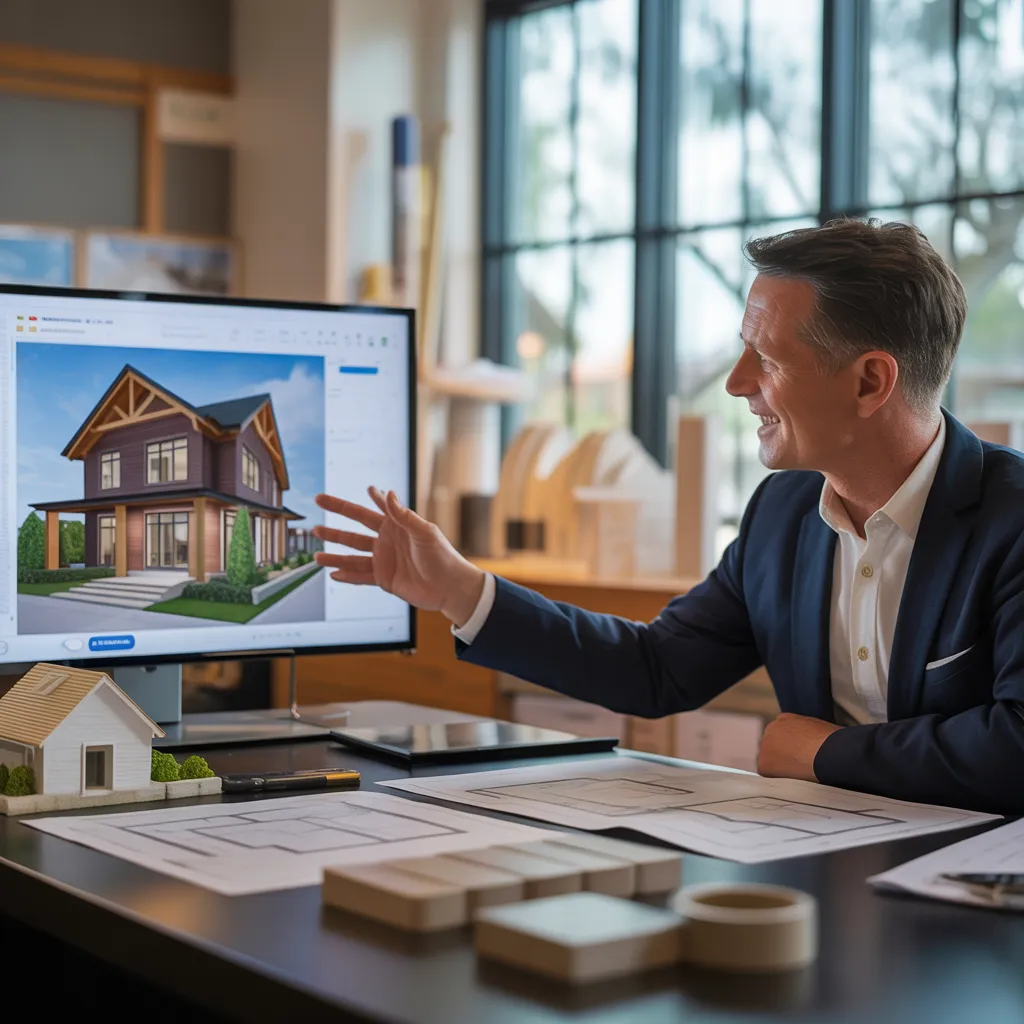
Essential Qualities of a Trustworthy Home Builder
When selecting a home builder, grasping the essential qualities that define a trustworthy professional is vital. Honesty takes priority; a dependable builder ensures transparency in all dealings, guaranteeing clients are informed and satisfied throughout the process. Experience also plays an important role; experienced builders possess the knowledge to navigate obstacles effectively and can guide clients through design and regulatory complexities.
Additionally, excellent interpersonal abilities are essential, as they enable transparent dialogue and prompt responses to client inquiries. A trusted contractor should also demonstrate a dedication to excellence, using durable materials and skilled craftsmanship to ensure lasting results. Finally, positive client testimonials and a strong body of work showcase a contractor's standing and reliability. By identifying these important attributes, clients can choose wisely and choose a contractor who matches their goals and principles.
Primary Features a Quality Home Builder Ought to Supply
A excellent home builder delivers a range of vital services that promise a effortless and successful construction process. First, they deliver extensive design and planning services, which feature consultations to grasp the client's vision and preferences. This assures that the project aligns with the homeowner's expectations from the outset.
Moreover, a respected builder administers all mandatory permits and regulatory compliance, easing the often complex legal requirements of construction. They also present project oversight services, supervising subcontractors, materials, and timelines adeptly to decrease delays and disruptions.
Furthermore, quality home builders often offer clear budget planning and price quotes, enabling clients to choose wisely throughout the project. After construction, many builders deliver services such as guarantees and after-build assistance, guaranteeing lasting contentment. By providing these vital offerings, a reliable home builder plays a crucial part in transforming a vision endeavor into a reality.
Key Elements for Examining a Contractor's Track Record
When assessing a builder's portfolio, multiple important criteria stand out as critical markers of quality. Project variety and scope, skilled workmanship, and design consistency play crucial parts in assessing a builder's ability to meet diverse client needs. These factors collectively provide insight into the construction firm's experience and overall aesthetic vision.
Project Variety and Scope
Project diversification and extent function as important indicators in assessing a builder's portfolio. A diverse scope of projects exhibits the builder's flexibility and know-how in handling varied designs and needs. This includes residential homes, renovations, and commercial spaces, highlighting the builder's ability to accommodate varied client needs. Reviewing the scope also involves considering project sizes, from small-scale remodels to expansive custom builds. A check this resource builder with experience across multiple project types shows a deep understanding of industry standards and challenges. In addition, a comprehensive portfolio reflects a builder's ability to innovate and personalize solutions, making sure they can bring a client's vision to life, no matter the complexity or scale. This diversification ultimately enhances a builder's reputation and reliability.
Quality of Craftsmanship
Quality of workmanship serves as a critical criterion in evaluating a builder’s portfolio, reflecting the expertise and attention to detail that define their work. Prospective homeowners should carefully examine completed projects, noting the accuracy in finishes, structural integrity, and overall aesthetics. High-quality craftsmanship often showcases superior materials and methods, evident in smooth surfaces, properly aligned fixtures, and durable installations. Builders who prioritize craftsmanship typically exhibit a commitment to excellence, ensuring that each element meets high standards. Additionally, client testimonials can provide insights into the builder's reliability and dedication to quality. By reviewing craftsmanship, homeowners can make informed decisions, ensuring their chosen builder aligns with their vision for a well-executed project.
Uniform Design and Style
Design coherence and uniformity are fundamental aspects in evaluating a builder's portfolio, as they display the overall concept and aesthetic consistency of completed projects. A portfolio presenting varied designs may demonstrate versatility; however, it should still maintain a recognizable style that aligns with the builder's brand. Clients should search for harmonious color schemes, complementary materials, and unified architectural features across different homes. Meticulous focus in design components, such as trim and lighting, further illustrates a builder's commitment toward consistent style. Additionally, observing how a builder adapts their design principles while still achieving a cohesive look across multiple projects can provide insight into their creative capabilities. Ultimately, design consistency assures clients that their vision will be executed seamlessly.
Why Clear Communication Matters in Home Building
Clear communication is vital in home building, as it sets the foundation for creating standards among all parties involved. When issues arise, strong communication facilitates quick problem-solving, reducing delays and misunderstandings. Furthermore, transparent communication fosters trustworthy relationships, which are crucial for successful project completion.
Establishing Expectations Clearly
In the home building process, effective communication is critical as it forms the foundation for a successful project. It is necessary to establish clear expectations between homeowners and builders to avoid misunderstandings. This entails laying out timelines, budget constraints, and design preferences from the start. When expectations are communicated effectively, both parties can align their visions and objectives, which leads to a smoother workflow. Transparency is encouraged through regular updates and open dialogue, allowing homeowners to stay involved and informed throughout the project. Moreover, clear expectations enable builders to manage resources more efficiently, minimizing delays and potential conflicts. By putting clear communication first, homeowners and builders can collaborate to bring the dream project to life without unnecessary complications. Ultimately, this approach = enhances satisfaction and trust in the home building experience.
Expediting Prompt Problem-Solving
Steering through the difficulties of home building typically requires immediate decision-making and problem-solving. Transparent communication among builders, clients, and subcontractors is vital for dealing with unforeseen challenges promptly. When challenges appear, swift and transparent dialogue helps rapid problem identification, diminishing delays and reducing stress. Builders focusing on transparent communication are able to promptly share information, guaranteeing all involved are on the same page about solutions. This active approach drives fast solutions and also gives clients the power to make educated decisions. Through promoting a culture of transparent communication, home builders boost their skill at handling challenges efficiently, which supports the successful wrap-up of projects and satisfies all parties involved.
Enhancing Trustworthy Connections
Building confidence among all contributors in home construction requires consistent communication. Clear dialogue builds collaboration between homeowners, builders, and subcontractors, ensuring everyone is aligned on project goals and expectations. Regular updates and open channels for feedback enable the timely resolution of concerns, avoiding misunderstandings. When builders convey timelines, budgets, and potential obstacles transparently, homeowners feel more secure in their investments. Additionally, establishing rapport encourages a cooperative atmosphere, which can lead to innovative solutions and creative input. Ultimately, by prioritizing effective communication, all stakeholders can forge stronger relationships, paving the way for successful projects and satisfied clients. This trust enhances the overall experience, making the home-building journey more enjoyable and less stressful.
Understanding How to Control Your Home Spending Prudently
In what way can homeowners guarantee their finances stay aligned with their perfect home aspirations? A properly organized budget is vital for making educated determinations. First, homeowners should review their financial standing by computing total revenue, existing obligations, and day-to-day spending. This analysis helps figure out a achievable budget for home construction.
Next, creating a complete list of expected costs is critical. Homeowners should incorporate land acquisition, materials, labor, permits, and surprise expenditures, often referred to as a backup fund. Making a order of priorities for features can guide spending and ensure vital components are funded first.
In addition, homeowners should survey funding possibilities, such as loans, monetary gifts, or savings, to attain vital finances. Consistently documenting expenses against the financial framework can help maintain fiscal accountability throughout the project. By maintaining these plans, property owners can competently regulate their monetary resources and bring their dream home to fruition without overspending.
Information to Consider About the Residential Construction Procedure
As homeowners start the endeavor to create their ideal residence, comprehending the multiple steps of the development sequence is necessary for a desired achievement. The sequence typically starts with preliminary design phase, where homeowners partner with builders to finalize plans, costs, and schedules.
Once plans are authorized, the foundation work begins, which includes site readiness and laying the foundation. After this phase, the framing stage establishes the structure of the home, allowing for a clearer vision of the finished result. After framing, systems such as plumbing, electrical, and HVAC systems are installed.
Next, interior and exterior finishes are installed, converting the area into a comfortable home. The last phase includes inspections and obtaining necessary approvals before closing. Throughout this process, effective communication with builders guarantees that the project stays on track, aligning with the homeowners' vision and expectations.
Often Raised Questions
How Do I Choose the Right Home Builder for My Build?
To select the ideal home builder, one should research their track record, examine past projects, confirm licenses and coverage, evaluate interaction styles, and get comprehensive quotes. Direct recommendations and web-based feedback can also provide valuable insights.
What Protection Do Home Builders Typically Extend?
Home firms typically present assurances that cover structural imperfections, workmanship, and resources. Customary terms range from one to ten years, establishing protection against significant issues surfacing after construction, fostering consumer confidence and satisfaction.
Can I Modify Elements During the Construction Phase?
Changes during the construction timeline are often doable, but they may depend on the contract and stage of construction. Homeowners should liaise with builders in a timely manner to address options and any potential impacts on timelines and costs.
What Duration Should You Anticipate for a Typical Home Construction?
A typical home construction generally takes 6 to 12 months, depending on various factors such as architectural intricacy, site conditions, and climate. Delays can occur, impacting the overall schedule of the construction process.
What could I handle if Obstacles take place in the course of Construction?
If problems occur during the construction process, the property owner should record the issues, communicate promptly with the builder, and seek resolution. If required, consulting legal advice or a neutral third party may help address significant disputes successfully.